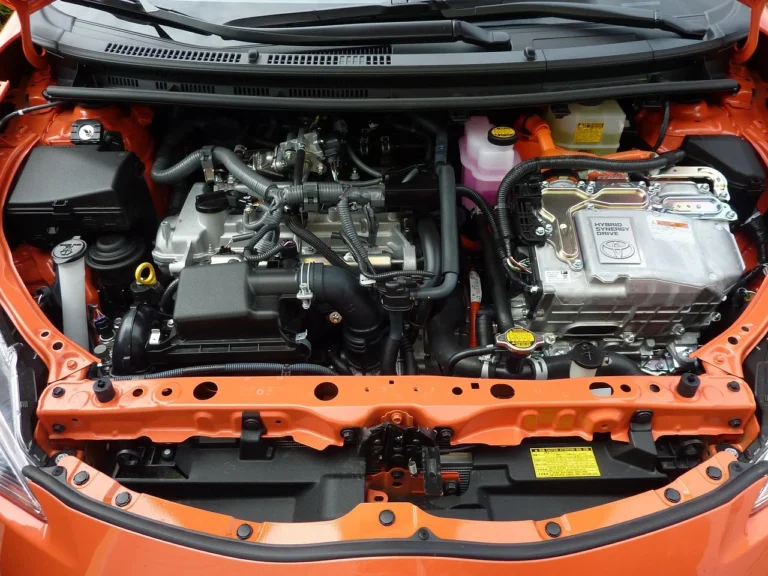
Kia K5 Import from Korea 2025 – Best & Worst Tips for Gasoline, Diesel, and LPG Buyers
The Kia K5, formerly known as the Optima in many export markets, is one of Korea’s best-selling mid-size sedans. With strong reliability, stylish design, and shared platforms with the Hyundai Sonata, the K5 is an attractive choice for overseas buyers. This guide summarizes the generations, engine codes, and export prices Kia K5 import from Korea —and also answers the key questions that importers ask when considering the Kia K5.
1st Generation – K5 TF (2010–2015, incl. “The New K5” facelift)
The first-generation Kia K5 Import from Korea TF shared its platform with the Hyundai Sonata YF and came with FWD drivetrain options using 6MT or 6AT transmissions.
Non-hybrid engine choices included LPG units (L4KA, L4NA) and gasoline engines (G4KD, G4ND, G4KH, G4KJ).
Many LPG TF models in Korea were operated as taxis or rentals, resulting in high mileage, while gasoline models—often sold as the Optima—were more common in overseas markets.

2nd Generation – K5 JF (2015–2021, incl. facelift)
The second-generation Kia K5 Import from Korea JF shared its platform with the Hyundai Sonata LF and was offered with dual styling options: SX (sporty) and MX (modern).
Engine choices included LPG (L4NA), diesel (D4FD), and gasoline units (G4FJ, G4ND, G4KH).
The 1.7 diesel was mainly EU-focused, while LPG units in Korea were primarily high-mileage fleet cars. The 1.6T gasoline (G4FJ) offered good efficiency but required careful DCT maintenance.
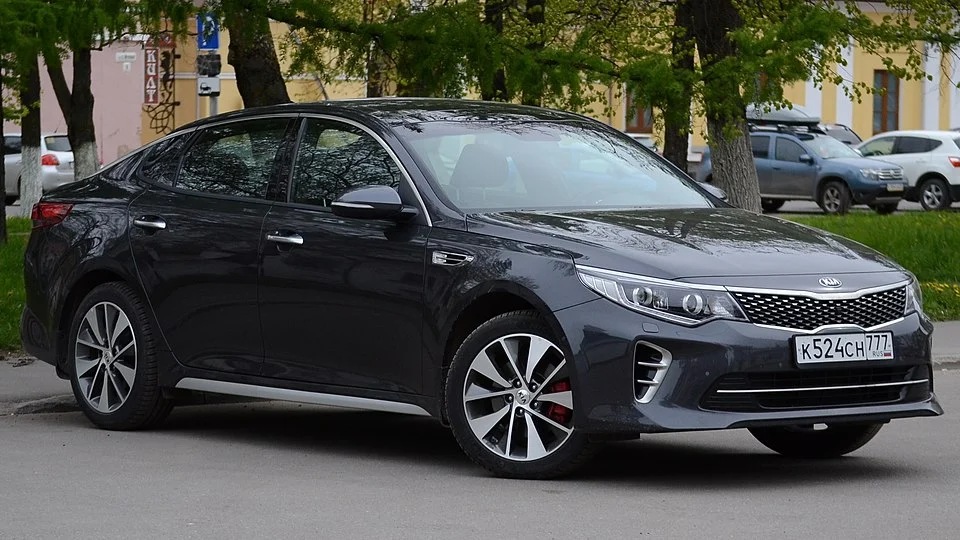
3rd Generation – K5 DL3 (2019–Present, incl. 2023 facelift → 2025 MY)
The third-generation Kia K5 Import from Korea DL3 marked a major shift, with global branding unified under the “K5” name instead of Optima.
The body size grew to 4,905 mm in length with a 2,850 mm wheelbase, offering a more premium presence.
Engine choices included LPG (L4NB) and gasoline units (G4NM, G4FP).
The 1.6T gasoline (G4FP) is considered the most export-friendly engine, while LPG (L4NB) models were mainly used for taxi and rental fleets in Korea, often resulting in high mileage.
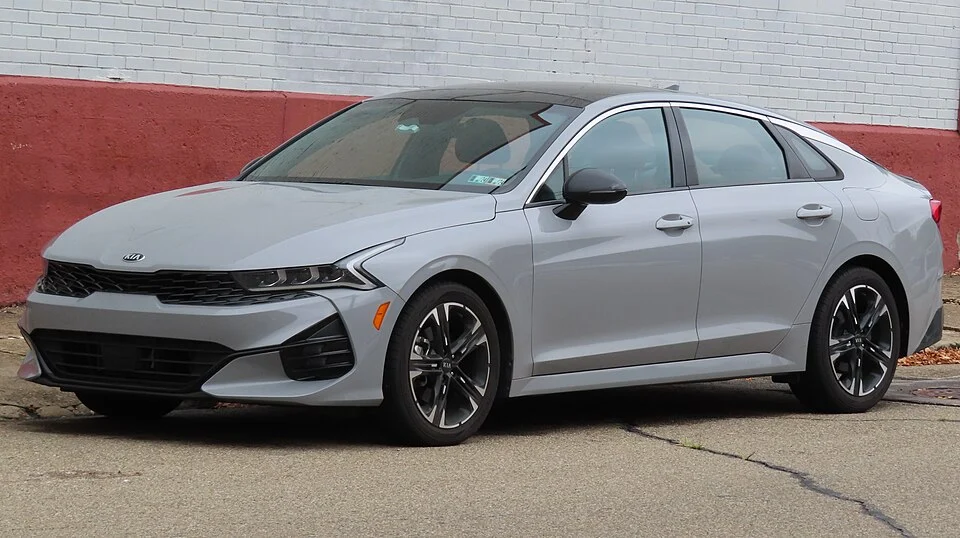
Export Price Guide – Kia K5 import from Korea (FOB Korea)
| Generation | Gasoline (MPI / GDI / Turbo) | Diesel (U II VGT) | LPG (LPI / Nu / Smartstream) |
|---|---|---|---|
| TF (2010–2015) | $3,000 – $4,000 | Rare (EU only) | $2,000 – $3,000 |
| JF (2015–2021) | $4,000 – $7,000 | $3,500 – $6,000 | $3,000 – $5,000 |
| DL3 (2019–Present) | $10,000 – $28,000 | N/A | $9,000 – $12,000 |
LPG Kia K5 Import from Korea – Taxi and Rental Use
In Korea, LPG-powered Kia K5 models were widely operated as taxis and rental cars rather than private vehicles.
Because of this, most export-eligible LPG units have very high mileage.
Engines such as the L4NA (Nu LPG) and L4NB (Smartstream LPG) are durable, but importers should confirm maintenance records, transmission service, and suspension condition.
Buyers seeking lower mileage units are advised to focus on gasoline models instead.
Kia K5 Import from Korea Markets
Gasoline Kia K5 models are exported worldwide, making them the most common choice for global buyers.
In contrast, LPG-powered Kia K5 units are mainly exported to Latin America, with the Dominican Republic being one of the top destinations for high-mileage fleet vehicles.
This market split highlights the strong international demand for gasoline K5 sedans, while LPG K5 models serve niche buyers seeking lower purchase costs.
Kia K5 Import from Korea Regulations – What Buyers Need to Know
Year restrictions are common in many markets:
Saudi Arabia allows vehicles within 5 years of production.
Nigeria permits imports up to 15 years old.
Chile and the Dominican Republic apply stricter limits, typically 5–7 years.
Emission standards vary: EU buyers must meet Euro 6 requirements, while African and Latin American countries often enforce more relaxed rules.
LPG import legality also differs by country. Some markets restrict LPG vehicles due to limited fueling networks or tank certification issues. Buyers should always check local regulations before bidding on LPG units.
Spare Parts & Maintenance
Shared components: Most Kia K5 parts interchange with Hyundai Sonata of the same platform. For example, the G4ND (Nu 2.0 MPI) shares parts widely available worldwide.
LPG parts: LPG injectors and tanks are Korea-specific, making overseas sourcing more difficult.
Where to buy parts: Major platforms such as Alibaba, eBay Motors, Amazon and local Korean exporters provide genuine and aftermarket spares.
Advice: When Kia K5 import from Korea, order a starter spare parts kit (filters, plugs, brake pads) to reduce downtime while waiting for shipments.
Shipping & Logistics
RoRo (Roll-on/Roll-off): The most common method for Kia K5 export, with one unit shipping for approximately $900–$1,500 depending on the route.
Container (40HC): Up to 4 Kia K5 sedans can fit, especially TF and JF generations, with shared costs ranging from $1,000–$2,000.
Ports of export (Korea): Busan, Incheon.
Popular destinations: Santo Domingo (Dominican Republic), Jeddah (Saudi Arabia), Lagos (Nigeria), Tema (Ghana).
FAQ – Kia K5 Import
Q1. Which generation is the best value to import?
A1. The JF facelift (2018–2020) balances price, modern tech, and parts availability.
Q2. Can LPG Kia K5 import from Korea Engine be converted to gasoline?
A2. Technically possible, but costly. Most buyers prefer keeping LPG or choosing gasoline models.
Q3. How many K5 units fit into a 40HC container?
A3. A maximum of 4 sedans with careful loading.
Q4. Are spare parts easy to find overseas?
A4. Yes for gasoline models (shared with Sonata). LPG-specific parts may require ordering from Korea.
Q5. Do export prices include shipping?
A5. No. Prices listed are FOB Korea. Buyers must add ocean freight, duty, and VAT.
Conclusion
The Kia K5 remains one of the most exportable Korean sedans, thanks to shared platforms with Hyundai, solid engine families, and strong design appeal.
For overseas buyers, the key is choosing the right generation and fuel type:
Gasoline for balance and resale value,
Diesel for EU-focused markets,
LPG for lower purchase cost but higher mileage.
By understanding regulations, shipping, and total landed cost, importers can make smarter purchasing decisions and maximize the value of their Kia K5 investments.