best Hyundai Electric Car Models and Export Price Guide (2025)
Hyundai Electric Car Models – IONIQ 5/6, Kona, NEXO Specs, Pros & Export Prices
Hyundai offers a robust lineup of electric vehicles ideal for international importers. From stylish sedans to practical SUVs and hydrogen fuel cell vehicles, Hyundai’s EVs combine efficiency, innovation, and affordability. Below we outline the specs, advantages, and used export prices for key models.
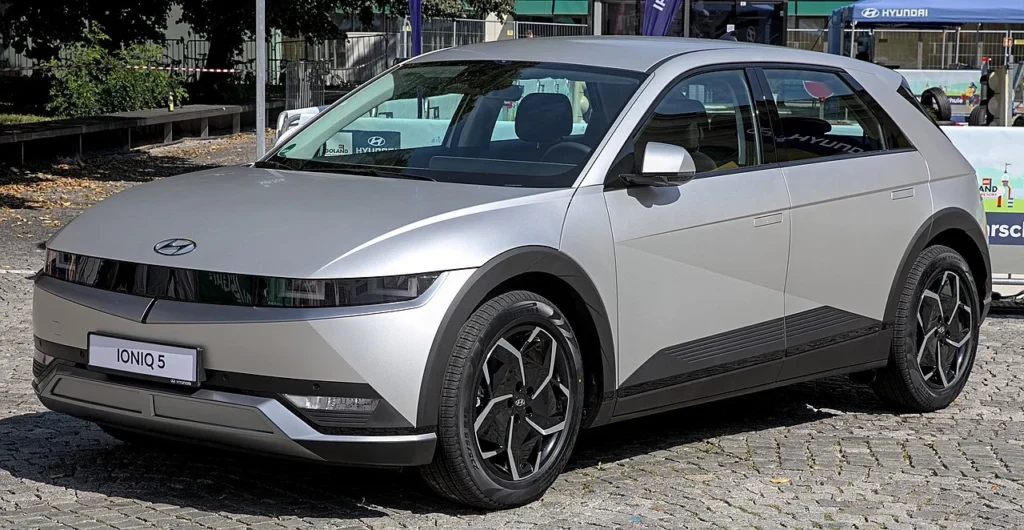
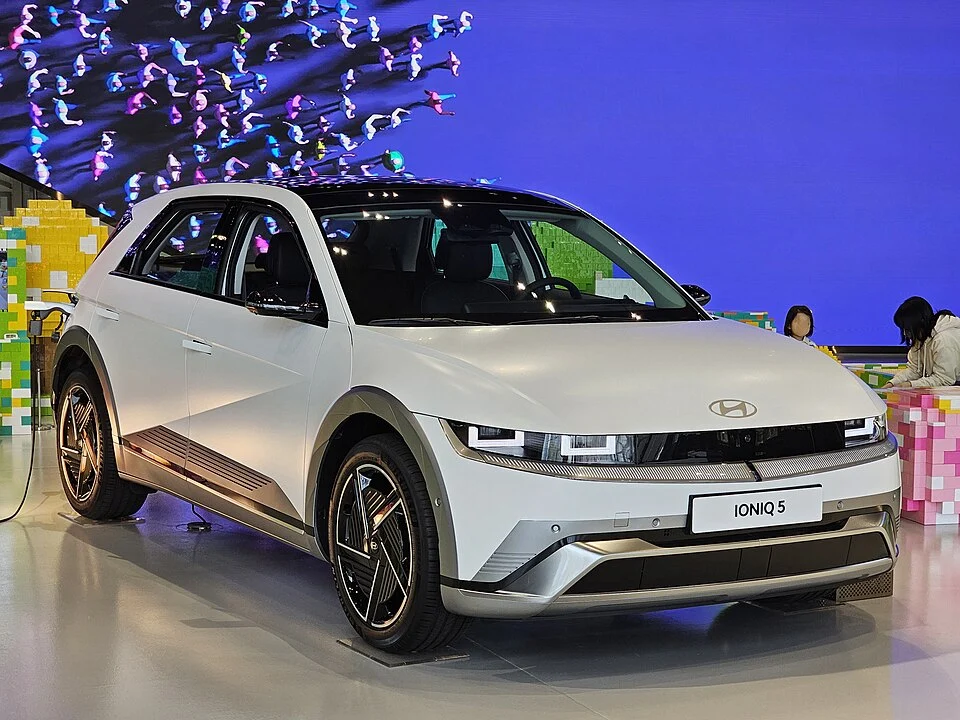
🚗 IONIQ 5 ( 2021 ~ 2024 ) Hyundai electric car
Key Specs
- Battery: 58–77.4 kWh
- Range: 384–507 km
- Platform: E-GMP (800V ultra-fast charging)
- V2L function and ADAS Level 2+
Pros
✅ 10–80% charge in 18 minutes
✅ Flat floor & spacious cabin
✅ Excellent driving tech
Cons
❌ Limited rear visibility
❌ Interior plastic quality varies
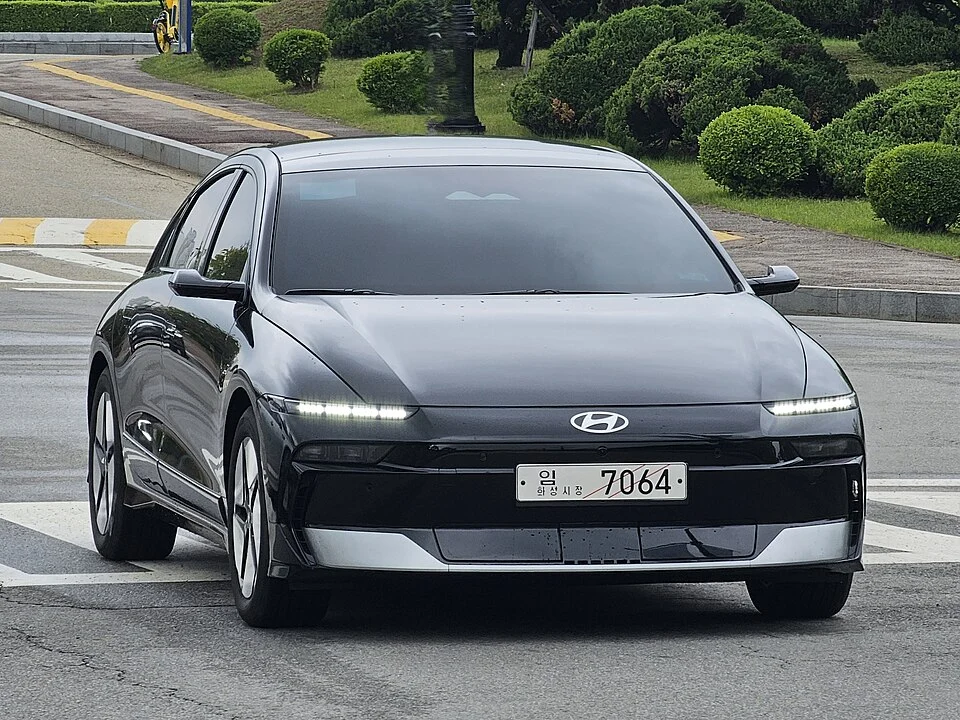
🚗 IONIQ 6 ( 2022 ~ ) hyundai electric car
Key Specs
- Battery: 53–77.4 kWh
- Range: 429–614 km
- Cd: 0.21 (top aerodynamic score)
- 800V fast charging
Pros
✅ Class-leading energy efficiency
✅ Quiet, smooth ride
✅ Stylish, futuristic design
Cons
❌ Small trunk
❌ Rear headroom limited
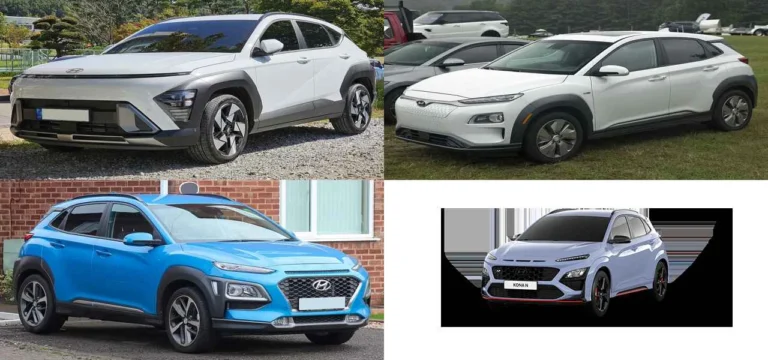
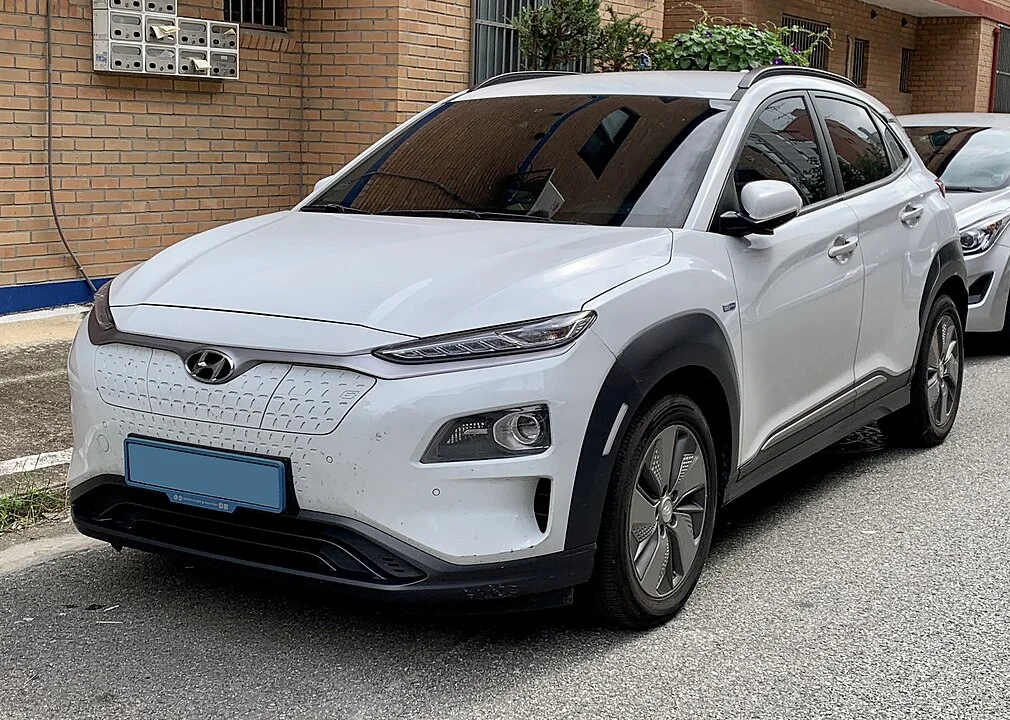
🚗 Kona Electric ( 2018~ 2023 ) hyundai electric car
Key Specs
- Battery: 48.6–64.8 kWh
- Range: 377–456 km
- Platform: 400V
- Compact SUV form factor
Pros
✅ Affordable and reliable
✅ Ideal for urban driving
✅ Wide global compatibility
Cons
❌ Slower charging
❌ Tight rear seat space
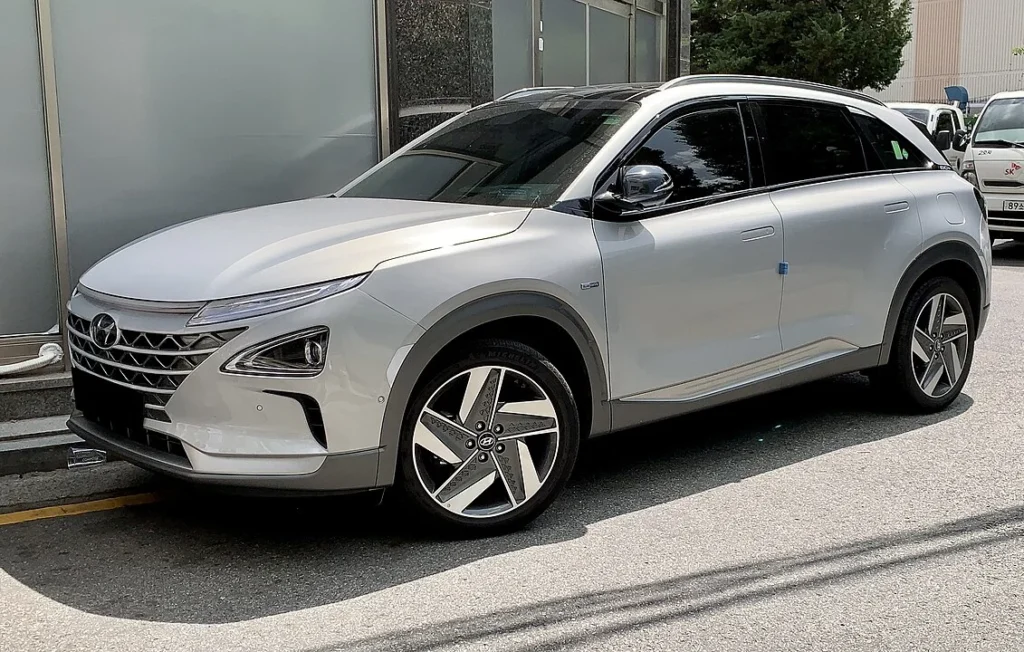
🚗 NEXO (Hydrogen Fuel Cell) hyundai electric car
Key Specs
- Fuel Cell Range: ~609 km
- Refuel Time: 5 minutes
- Type: Hydrogen FCEV
- Emission: Water only
Pros
✅ Fast refueling
✅ Zero-emission drive
✅ Advanced tech features
Cons
❌ Limited hydrogen station availability
❌ High maintenance costs
📊 Year-by-Year Export Price Table
| Model & Year | Export Price Range (USD) |
|---|---|
| IONIQ 5 (2022) | $22,000 – $25,000 |
| IONIQ 5 (2023) | $25,000 – $29,000 |
| IONIQ 6 (2024) | $28,000 – $32,000 |
| IONIQ 6 (2025) | $32,000 – $45,000 |
| Kona EV (2022) | $14,000 – $18,000 |
| Kona EV (2023) | $17,000 – $22,000 |
| Kona EV (2024) | $23,000 – $27,000 |
| Kona EV (2025) | $25,000 – $29,000 |
💡 Prices are FOB or pre-shipping estimates based on U.S. and EU resale values. Adjust based on battery health (SOH), mileage, trim, and local regulations.
🌍 Tips for Exporting Used Hyundai EVs
- Always include battery SOH reports and vehicle inspection documents.
- Check charging port compatibility (CCS1 vs CCS2) per destination.
- NEXO exports should only target countries with hydrogen infrastructure (e.g. Germany, UAE, Korea).
- Use CIF price calculators to estimate total landed cost.
📦 EV Container Shipping Rules for Hyundai Electric Car(2025)
Exporting electric vehicles (EVs) such as Hyundai IONIQ 5, IONIQ 6, or Kona Electric via container shipping requires strict compliance with international maritime safety standards due to lithium-ion battery risks. Below is a comprehensive breakdown of rules, documentation, and best practices for safe EV export in 2025.
✅ 1. IMDG Code (International Maritime Dangerous Goods)
Electric vehicles fall under UN 3166 or UN 3171, depending on battery type and configuration. If the lithium battery remains installed in the vehicle, special handling is required.
| Item | Description |
|---|---|
| Classification | UN 3166 or UN 3171 – Battery-powered vehicle |
| Dangerous Goods | Depends on battery installation status and State of Charge (SOC) |
| Discharge Rule | SOC (State of Charge) must be kept at or below 30% before shipping |
| Labeling | “EV – Lithium Ion Battery Inside” sticker required on exterior of container |
| Documents | MSDS, Vehicle Specification Sheet, and Dangerous Goods Declaration (if required) |
✅ 2. Container Loading Requirements
Proper EV handling during container shipping is critical to ensure fire safety, vehicle protection, and regulatory compliance.
| Item | Requirement |
|---|---|
| Battery Removal | Usually not required, but some countries may require disconnection |
| SOC Limit | Must be 30% or lower; mandatory for EU-bound vessels |
| Vehicle Securing | Use 4-point floor lashing + tie-down belts to prevent movement |
| Ventilation | Use ventilated containers to avoid overheating |
| Leak Prevention | Use absorbent pads or moisture barriers under battery area |
| Charging Port Cap | Must be securely covered to avoid dust or water ingress |
✅ 3. Country-Specific Regulations
| Region | Notes |
|---|---|
| EU / USA | IMDG Code strictly enforced; some carriers require EV-only containers |
| Middle East / Africa | Generally more flexible, but requirements vary by shipping line |
| Latin America | When shipping multiple vehicles, EVs should be separated from gasoline vehicles |
🔒 Required Documents for EV Export
Before container loading, exporters or freight forwarders must prepare:
- MSDS (Material Safety Data Sheet) – for lithium-ion batteries
- Vehicle Specification Sheet – showing EV make, model, battery info
- EV Battery Certificate – from LG, SK, or other OEM (if requested)
- Dangerous Goods Declaration (DGD) – required by some shipping lines
📌 Quick Summary Table
| Category | EV Container Shipping Rule |
|---|---|
| SOC Limit | Max 30% before shipment |
| Labeling | “Lithium Battery Vehicle” label required |
| Securing | 4-point lashing + tie-down belts |
| Ventilation | Use breathable containers to prevent heat buildup |
| Mixed Loading | Avoid placing EVs with gasoline cars in same container |
| Documents | MSDS, spec sheet, DGD, battery certificate (if required) |
✳️ Pro Tip
RoRo (Roll-on/Roll-off) shipping typically does not require dangerous goods declaration, making it simpler for EV export.
However, container shipping requires checking IMDG compliance and shipping line conditions via your freight forwarder.
⚠️ Important Notice Before Importing Used EVs from Korea
Although the import of used electric vehicles (EVs) is legally permitted in many countries, due to the potential fire hazards of lithium-ion batteries, most shipping lines are heavily restricting or outright refusing the transport of used EVs. Therefore, you must check with your shipping company in advance before making any purchase decision. Failing to confirm may result in shipping cancellation or significant delays.
🌐 Multilingual Summary
🔸 Arabic (العربية)
تعرّف على أفضل سيارات هيونداي الكهربائية، وقارن الموديلات حسب المواصفات والأسعار التصديرية لعام 2025.
🔸 Spanish (Español)
Compara los autos eléctricos Hyundai por modelo y año. Incluye precios de exportación, autonomía y ventajas técnicas.
🔸 Russian (Русский)
Сравнение электромобилей Hyundai по моделям и годам. Цены на экспорт в 2025 году, характеристики и советы по импорту.