
7 Critical Things to Know Before Buying a Flood Damaged Car
A flood damaged car refers to a vehicle that has been partially or fully submerged in water due to heavy rain, typhoon, or natural disasters. Water can severely damage a car’s engine, electrical systems, and interior. Even if the car appears intact, internal corrosion and long-term failure risks remain.
In Korea and other countries, flood-damaged vehicles must be clearly identified and reported, especially in the used car and export markets.
Summary of Flood Damaged Car Regulations and Guidelines (as of 2024)
🚗 1. Definition and Classification
A flood damaged car is defined as a vehicle that has been submerged at or above the level of the interior floor mat.
- Partial Flooding: Water reaches up to the floor mat only
- Complete Flooding: Water reaches above the engine (or motor for EVs)
⚖️ 2. Legal Obligations and Restrictions
| Category | Required Action | Legal Basis |
|---|---|---|
| Total Loss Vehicle | Must be scrapped within 30 days via a licensed dismantling operator | Article 26-2, Motor Vehicle Management Act |
| Export of Total Loss Vehicles | Prohibited (including vehicles with key safety components) | Article 26-2, Paragraph 2 |
| Partial Damage Vehicles | Allowed for registration/use, but flood history must be recorded and tracked | Shared between insurers and the Korea Transportation Safety Authority |
| Flood History Disclosure | Sellers must disclose flood damage history during sale | Article 58, 58-3 |
| Violation of Disclosure | Buyer may cancel contract within 90 days; criminal penalties apply | Up to 2 years imprisonment or ₩20 million fine |
🔧 3. Repair and Inspection Standards
📌 Internal Combustion Engine Vehicles
- Partial flooding: Must inspect lower body rust, brake system, electrical wiring, etc.
- Complete flooding: Full inspection of all systems and components required
⚡ Electric & Hybrid Vehicles
- Inspect battery, motor, reducer, inverter, and high-voltage wiring
- Early EV models with open air inlets may allow water ingress → Battery replacement often required
🔍 4. Flood Damaged car Detection Checklist (for Buyers/Exporters)
- Dirt or mud traces at the end of the seatbelt
- Mold or musty odor inside the cabin
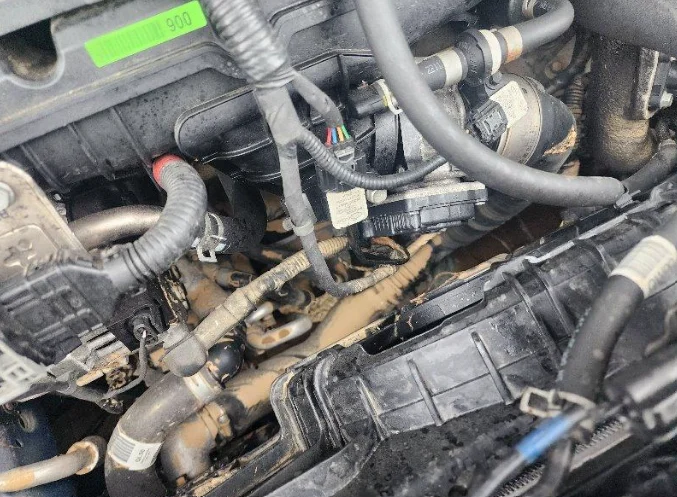
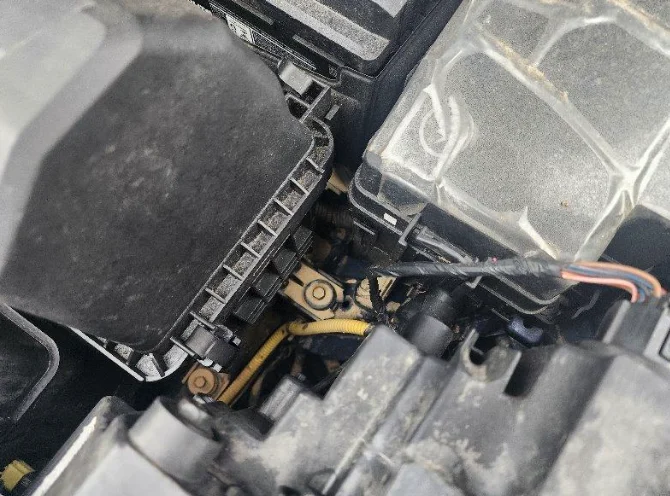
- Rust or contamination near the fuse box, power socket, or wiring
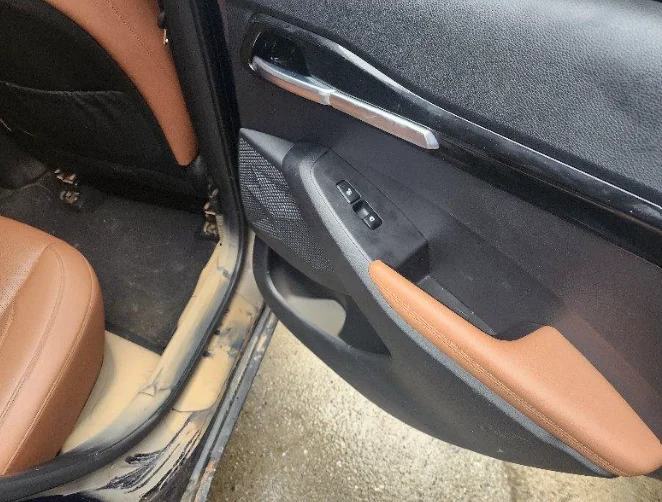
- Mud residues in trunk gaps, fuel inlet, and door trim
- Use Car History (carhistory.or.kr) and Car365 to verify flood records
🌍 5. Export Considerations
- Total loss vehicles cannot be exported as whole units. Only dismantled parts may be exported.
- Partial damage vehicles can be exported, but it’s recommended to clearly disclose any flood history.
- When exporting parts (especially engines, ECUs, sensors, electrical modules), ensure proper cleaning, functionality checks, and documentation.
⚖️ Legal Status and Exportability
Can a flood damaged car be registered again?
- ✅ Yes, if the car passes a certified safety inspection and is deemed roadworthy.
- However, the flood history will be permanently recorded and disclosed at resale.
Is export allowed?
- ✅ Yes, export is allowed, but some countries (like UAE, Saudi Arabia) have strict import bans or require pre-approval for flood-damaged vehicles.
- It’s often more profitable to dismantle and export parts, especially to Africa, CIS, and South America.
Is scrapping mandatory?
- ❌ No, unless the damage is beyond repair or the electrical systems are permanently compromised.
🧭 How to Identify a Flood Damaged Car: Key Signs
Flood damage is often hidden. Here’s what to check:
- Smell: Musty or moldy odors inside the cabin or trunk
- Documents: Stains, wrinkles, or smudged ink on the registration or insurance papers
- Seat & Belt: Mud on seat frames or at the end of the seatbelt
- Corrosion: Rust on seat rails, under mats, or fuse boxes
- Mismatched parts: Interior materials that look recently replaced
- Air vents & dashboard: Dirt or stains inside vents and control panels
- Trunk & fuel inlet: Uncleaned areas with mud—often overlooked by owners
📦 Best Practices for Exporters
- Dismantling a flood damaged car is often more profitable.
Export high-demand components such as:- Headlamps
- Seats
- Suspension arms
- ECUs (only if tested)
- Alloy wheels
- Clean, test, and photograph parts for overseas buyers.
- Use Freightos or Shipbob to calculate shipping rates before export.
👉 Looking for clean parts from flood-damaged cars? Contact us to source directly.
📌 Final Tips for Buyers
- Always request a vehicle history report (Carfax, AutoCheck, or local equivalent).
- Avoid cars with airbag/electrical system errors—they’re costly to repair.
- If the price seems too good to be true, inspect more thoroughly.
- If in doubt, ask an independent mechanic to check the car.
🌐 Multilingual Summary
- Arabic (العربية): تعلم كيفية التعرف على السيارات المغمورة بالمياه، وما هي القوانين والإجراءات التصديرية المهمة.
- Spanish (Español): Aprende a detectar coches inundados, su legalidad y cómo exportarlos de forma segura.
- Russian (Русский): Как распознать затопленную машину, юридические аспекты и советы по экспорту.