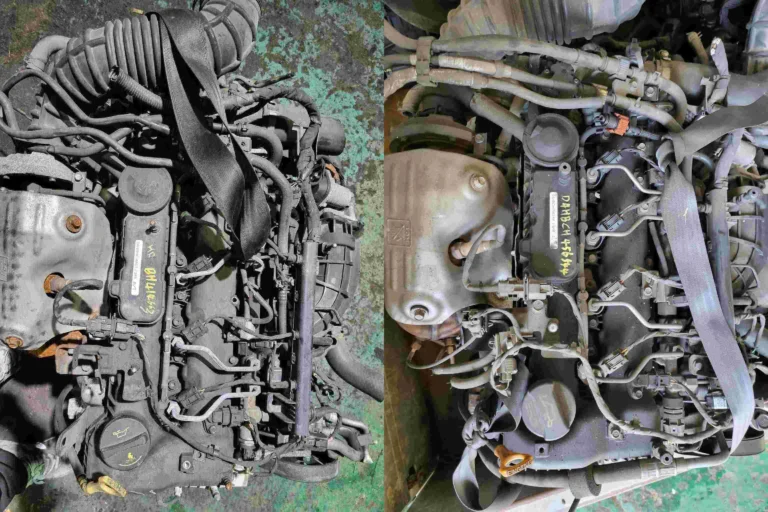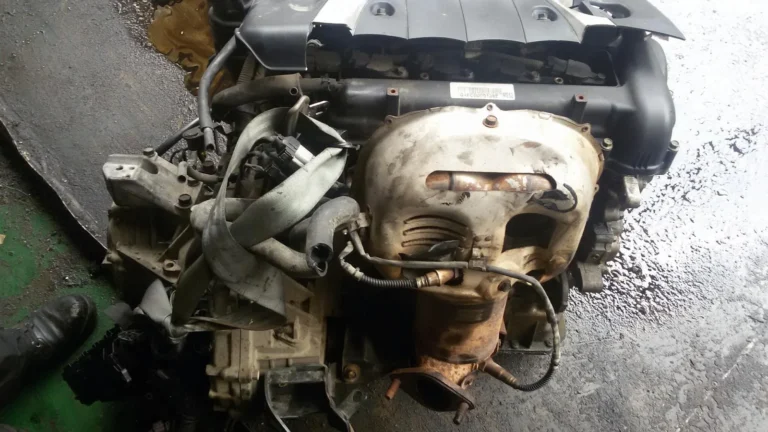
Hyundai G4KJ Engine Explained: Specs, Vehicles, Problems & Used Engine Prices
Hyundai G4KJ Engine Overview
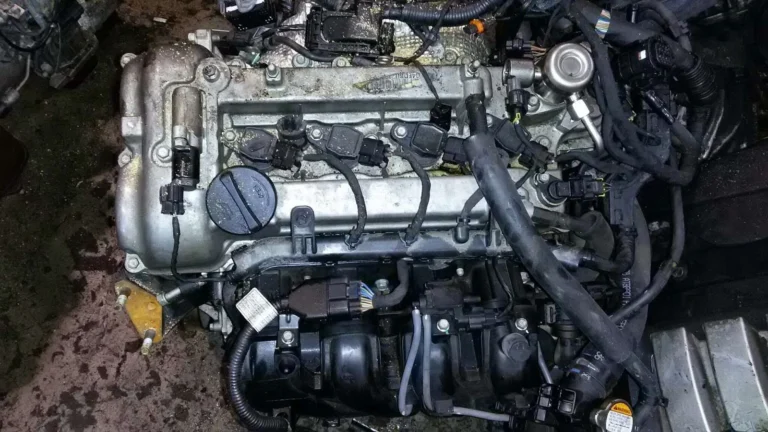
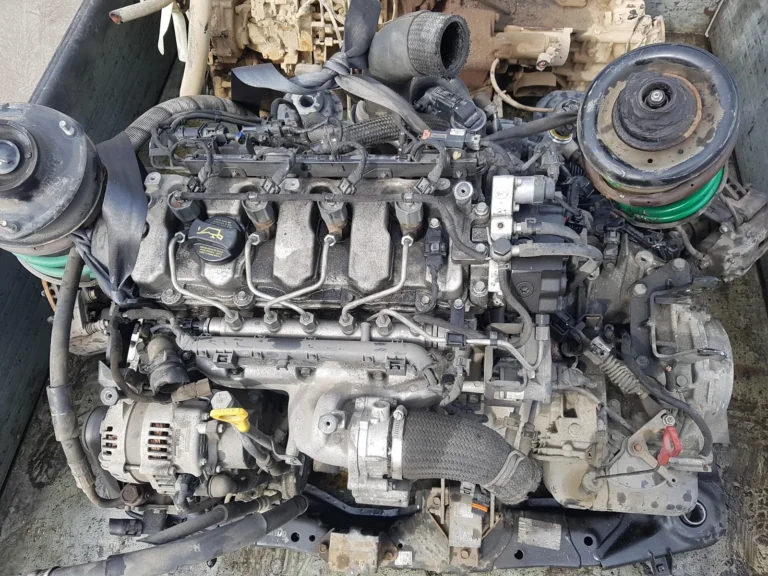
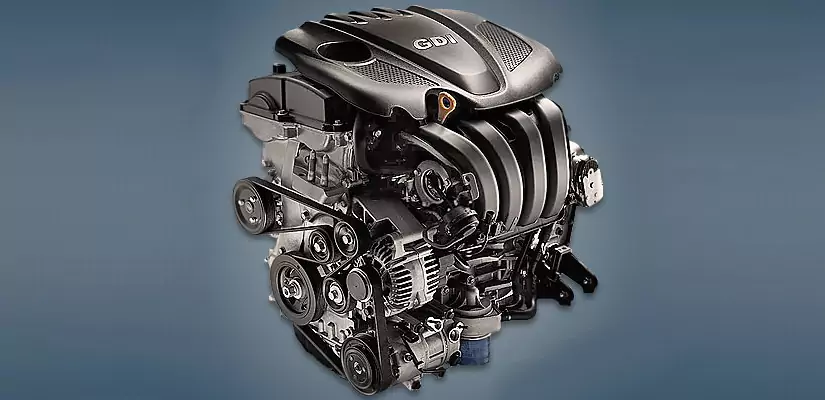
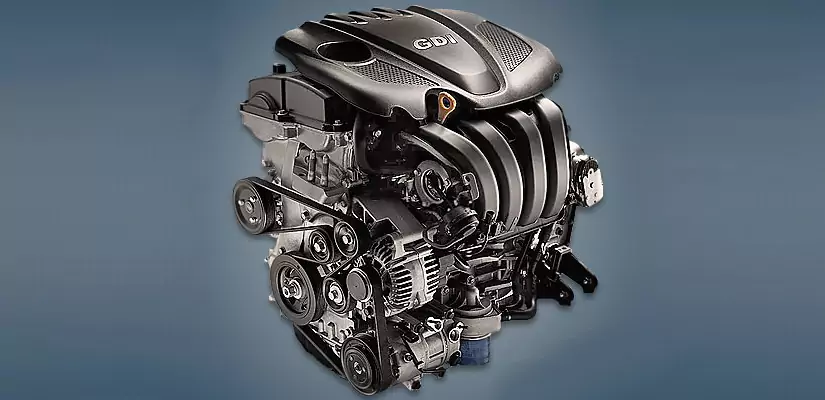
The Hyundai G4KJ engine is Hyundai Motor Group’s Theta II 2.4L GDI gasoline engine, widely used in mid-size sedans and SUVs.
It is known for its strong naturally aspirated performance, smooth driving feel, and wide global availability. Thanks to Gasoline Direct Injection (GDI) technology, the G4KJ engine delivers higher output compared to conventional MPI engines, making it popular in both domestic and export markets.
Hyundai G4KJ Engine Technical Specifications
The compression ratio of the Hyundai G4KJ engine is 11.3:1, optimized for performance while maintaining fuel efficiency for naturally aspirated operation.
Early Version Output
- Maximum Power: 201–203 PS (148–149 kW / 198–200 hp). Engine Speed: 6,300 rpm. Maximum Torque: 25.5 kg·m (250 Nm / 184 lb·ft). Torque Peak: 4,250 rpm
Later Version Output
- Maximum Power: 188 PS (138 kW / 185 hp). Engine Speed: 6,000 rpm. Maximum Torque: 24.6 kg·m (241 Nm / 178 lb·ft). Torque Peak: 4,000 rpm
These changes reflect tuning adjustments for emissions compliance and long-term durability, rather than a fundamental redesign.
Vehicles Equipped with the 2.4L GDI Hyundai G4KJ Engine
The Hyundai G4KJ engine was installed across a wide range of Hyundai and Kia vehicles, especially in export markets.
Hyundai Models
- Hyundai Sonata (2009–2019), Hyundai Grandeur / Azera (2011–2019), Hyundai Santa Fe (2012–2020), Hyundai Tucson (TL) (2015–2020)
Kia Models
- Kia Optima (2010–2019), Kia Cadenza (2011–2019), Kia Sportage (2010–2021), Kia Sorento (UM) (2014–2020), Kia KX7 (2016–2021, China market)
These vehicles made the Hyundai G4KJ engine popular in Middle East, North America, China, Africa, and CIS regions, where 2.4L gasoline engines are widely accepted.
Advantages of the Hyundai G4KJ Engine
- Strong Naturally Aspirated Power
Nearly 190 horsepower without turbocharging provides reliable and predictable performance. Smooth Driving Characteristics Well-balanced engine with good NVH (noise, vibration, harshness). Good Parts Availability Due to high production volume, used engines and spare parts are widely available.
Common Problems and Weak Points
Like other Theta II GDI engines, the Hyundai G4KJ engine requires proper maintenance.
Known Issues
- Engine oil consumption in high-mileage units. Carbon buildup on intake valves (common in GDI engines). Engine knocking or abnormal noise if oil maintenance is poor. Rare cases of cylinder wall scuffing. Frequent oil changes (every 5,000–7,000 km) are critical to long-term reliability.
Used Hyundai G4KJ Engine Price (Export Market)
Average Used G4KJ Engine Prices
- Bare engine (long block): USD 1,200 – 1,600. Complete engine (with accessories): USD 1,500 – 2,000. Low-mileage tested engine: USD 1,800 – 2,300. Engines are commonly shipped via container or palletized LCL cargo, making them suitable for engine importers and workshops.
Why the G4KJ Engine Is Rare in the Korean Domestic Market
Although the G4KJ engine is well known among overseas buyers, it is not a common engine in the Korean domestic market.
This is mainly because most passenger vehicles sold in Korea are equipped with 2.0L engines, which better fit local tax structures, fuel efficiency preferences, and consumer demand.
In Korea, 2.0L gasoline engines such as the G4KD were far more popular for mid-size sedans, while 2.4L engines like the G4KJ were produced primarily for export-oriented models. As a result, only a limited number of G4KJ-powered vehicles were sold domestically.
High Overseas Demand, Limited Local Supply
Due to its strong performance and suitability for markets with lower fuel price sensitivity, the G4KJ engine was widely used in export-spec vehicles destined for the Middle East, North America, and select Asian markets. Because of this background, many international buyers assume that G4KJ engines are easily available in Korea and frequently place orders expecting quick supply.
However, in reality, actual supply from Korea is very limited.
- Few domestic vehicles were equipped with the G4KJ engine. Salvage and dismantling volume is low compared to 2.0L engines. Used engine availability depends heavily on rare accident or insurance write-off cases.
- For these reasons, Korean exporters are often unable to supply G4KJ engines on a consistent basis, even when buyer demand is strong.
What Buyers Should Understand Before Ordering
Buyers looking for a used G4KJ engine from Korea should be aware that:
- Lead times can be long. Availability is irregular. Prices may be higher than expected due to scarcity.
- In many cases, exporters must wait specifically for G4KJ-equipped vehicles to enter dismantling channels, rather than sourcing from normal stock.
Market Reality Summary
In short, while the Hyundai G4KJ engine is popular in overseas markets, it remains a rare engine within Korea itself.
This mismatch between high international demand and low domestic supply is the main reason why G4KJ engine orders from Korea are often difficult to fulfill. Understanding this market reality helps buyers set realistic expectations and avoid delays or misunderstandings when sourcing engines from Korea.
Where to Buy a G4KJ Engine: Best Sourcing Options
For buyers looking to purchase a G4KJ engine, the most reliable and recommended approach is to work directly with a professional engine export company based in Korea.
Specialized Korean engine exporters have direct access to dismantling networks, quality inspection processes, and international shipping experience, which significantly reduces the risk of mismatched or low-quality engines.
Alternative Online Marketplaces
In addition to direct sourcing from Korea, buyers may also find used G4KJ engines listed on major global e-commerce platforms, including:
Alibaba – Commonly used for bulk and B2B engine sourcing

eBay – Suitable for individual or small-quantity purchases.

Amazon – Limited availability, usually through third-party sellers

While these platforms offer convenience, buyers should be cautious and carefully verify: Seller reputation and transaction history. Engine test reports and real photos. Return policy and shipping terms. For high-value components such as a 2.4L GDI engine, working with an experienced exporter often provides better quality assurance and after-sale support compared to open marketplaces.