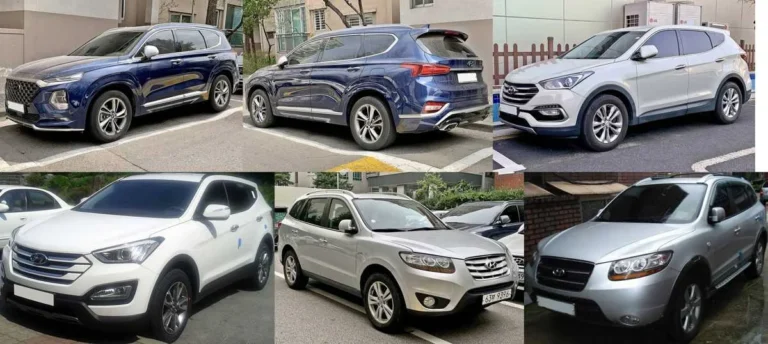
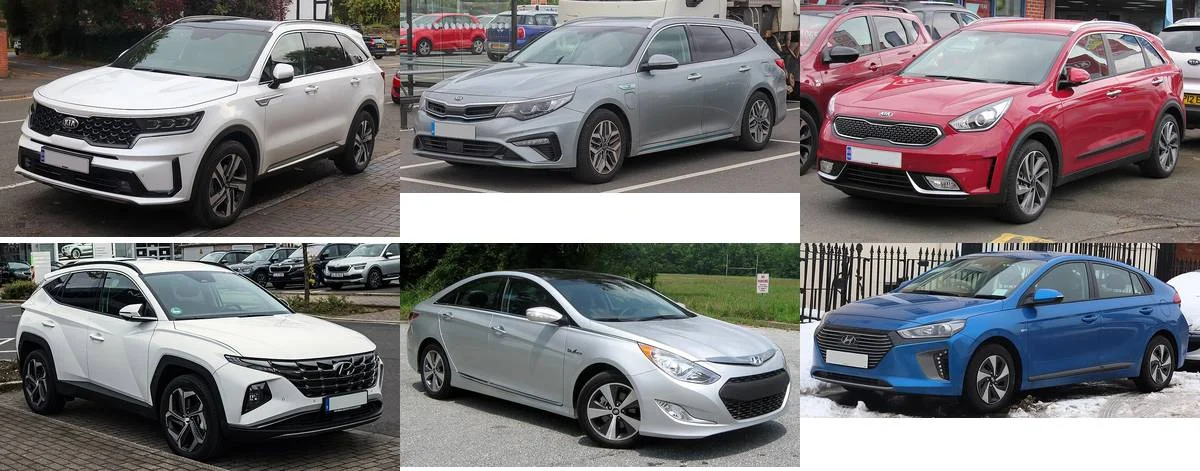
Hyundai & Kia Korean Hybrid Cars — Hybrid Systems Work, Export Price for Global Buyers
Hyundai and Kia Korean Hybrid Cars have become some of the most trusted and best-selling eco-friendly models in the global market. They provide excellent fuel economy, reliable engine-motor systems, long battery lifespan, and lower export prices compared to Japanese hybrids. For global importers—especially in the Middle East, Africa, Central America, and CIS—these korean hybrid cars models offer a perfect balance of affordability and durability.
Hyundai and Kia Korean hybrid cars use two energy sources:
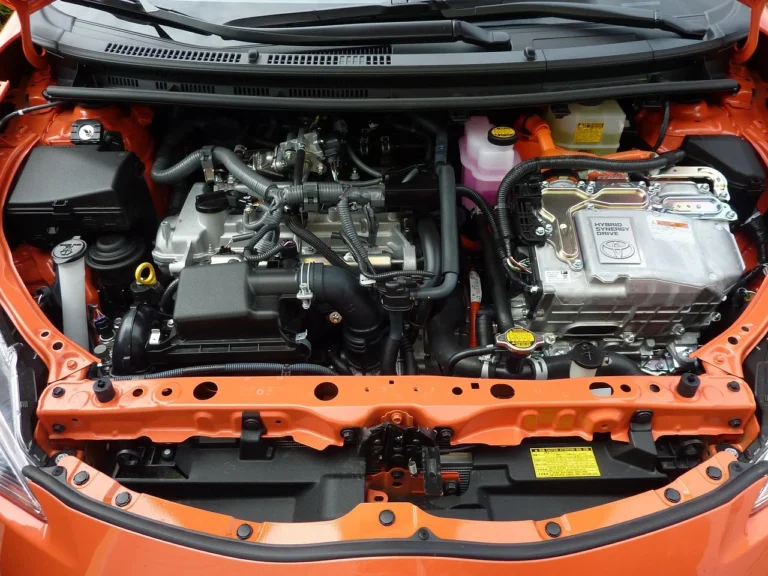
gasoline and electric power. Most models operate with an unleaded gasoline engine, typically a 1.6 GDI Korean Hybrid Cars (used in the Hyundai Ioniq and Kia Niro), a 2.0 GDI Korean Hybrid Cars (found in the Sonata and K5 Hybrid), or a 1.6 Turbo Korean Hybrid Cars (used in the Tucson and Sorento). These engines work together with an electric motor to maximize fuel efficiency, and importantly, they run on gasoline—not diesel.
1. Starting & Low-Speed Driving – Electric Motor Only At low speeds (0–40 km/h), the vehicle drives using only the electric motor, resulting in no fuel consumption, no engine noise, and very smooth acceleration, which is one of the biggest advantages of Hyundai and Kia Korean hybrid cars systems. 2. Normal Driving – Gasoline Engine Takes Over As speed increases, the gasoline engine automatically activates and powers the wheels, offering efficient fuel use, stable power delivery, and longer battery lifespan without any driver intervention.
3. Acceleration or Uphill Driving – Engine + Motor Together When extra power is needed, the gasoline engine and electric motor work together to deliver additional torque, improving acceleration response, overtaking performance, and overall fuel efficiency, making even small hybrid engines like the 1.6 GDI feel more powerful than expected. 4. Regenerative Braking – Battery Charges Automatically During braking or downhill driving, the electric motor functions as a generator to recover energy and charge the battery, meaning zero charging cost, reduced maintenance needs, and no requirement for external plug-in charging.
5. Stopping or Idling – Engine Turns Off When the vehicle stops, such as at traffic lights, the gasoline engine shuts off while the battery powers air conditioning and electronics, significantly reducing fuel consumption, emissions, and noise.
Common Questions Buyers Ask About Korean Hybrid Cars
1. Are hybrid batteries safe during shipping? Yes. Korean hybrid batteries are well-protected and stable. RoRo and container both acceptable. 2. How long does a Korean hybrid battery last? Typically 7–10 years, depending on climate and driving style. 3. Are hybrid parts easy to purchase? Yes. Korea has a large parts supply chain, and many components also fit US/European variants. 4. Which Korean hybrid cars model has the best resale value? Kia Sorento Hybrid, Hyundai Tucson Hybrid, and Hyundai Sonata Hybrid consistently show strong resale value in global markets.
Top Hyundai Korean Hybrid Cars for Import
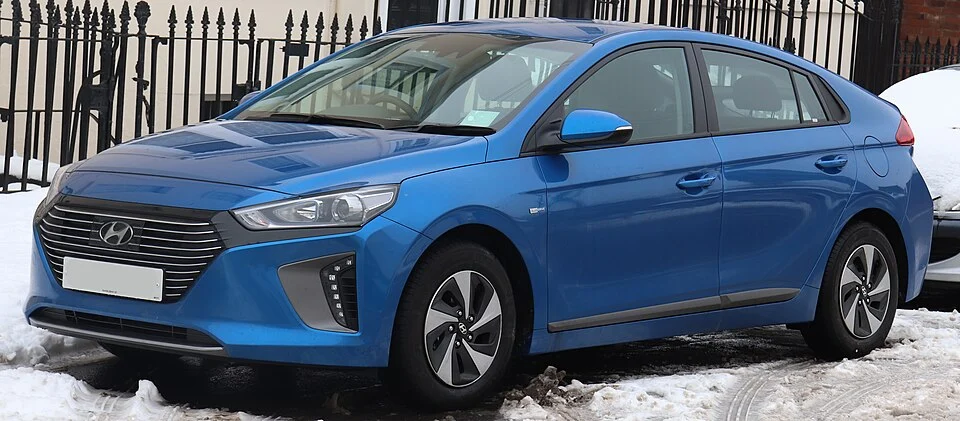
1. Hyundai Ioniq Hybrid Engine: 1.6 GDI + electric motor Fuel economy: 20–22 km/L Battery: Lithium-ion polymer Why ideal for import: Light weight, excellent reliability, very low fuel cost
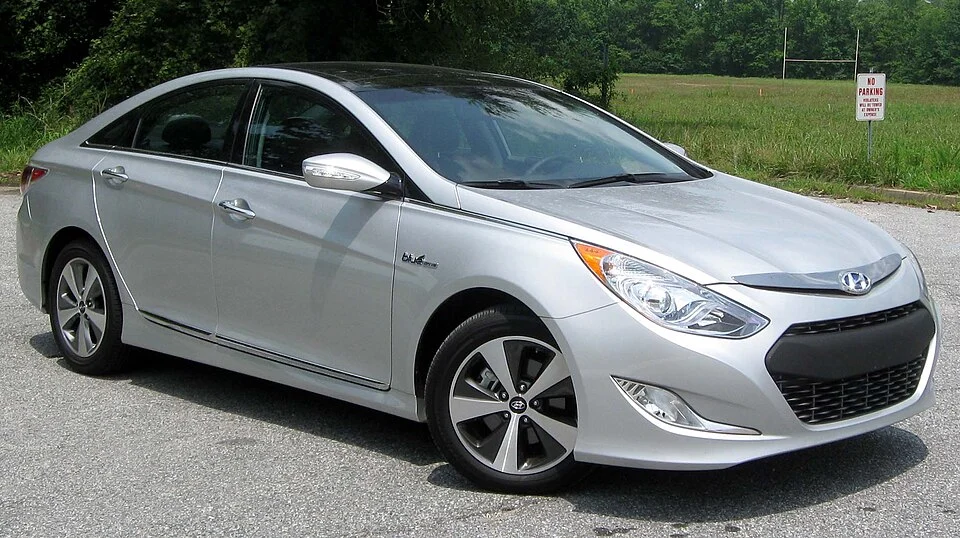
2. Hyundai Sonata Hybrid Engine: 2.0 GDI hybrid Key feature: Solar roof option (charges battery while parked) Fuel economy: 17–19 km/L Deal for: Taxi fleets, private buyers seeking comfort & efficiency
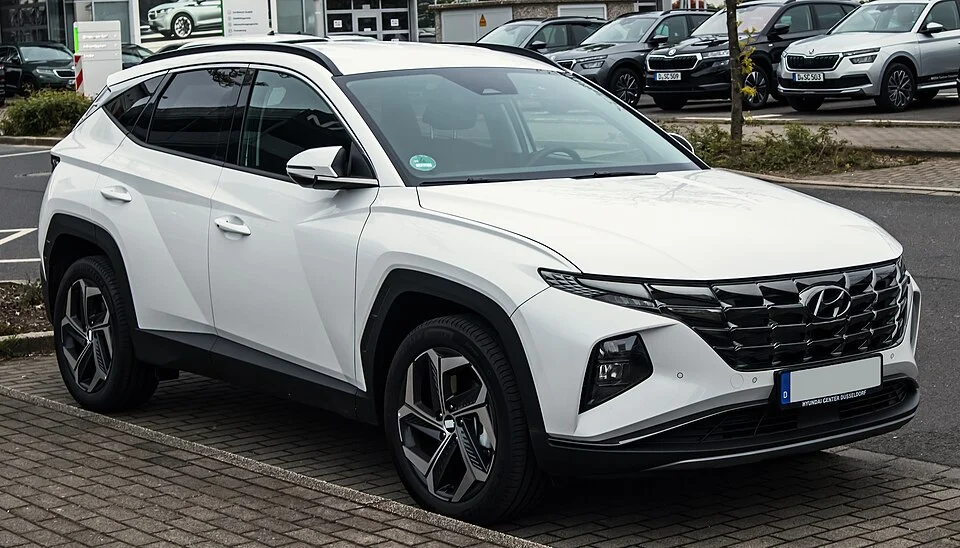
3. Hyundai Tucson Hybrid Engine: 1.6 Turbo Hybrid Fuel economy: 15–16 km/L Strong points: Popular worldwide, competitive price vs. RAV4 Hybrid
Top Kia Korean Hybrid Cars for Import
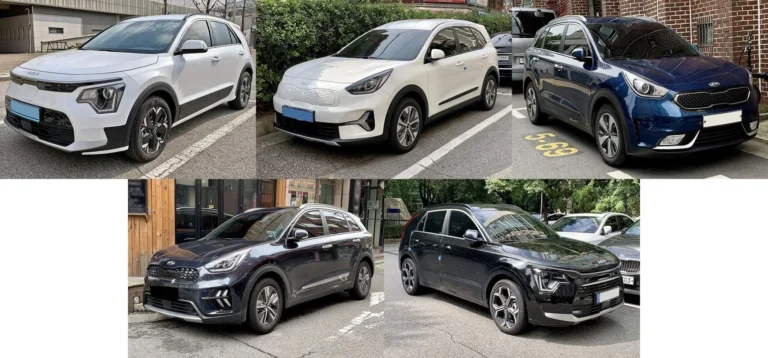
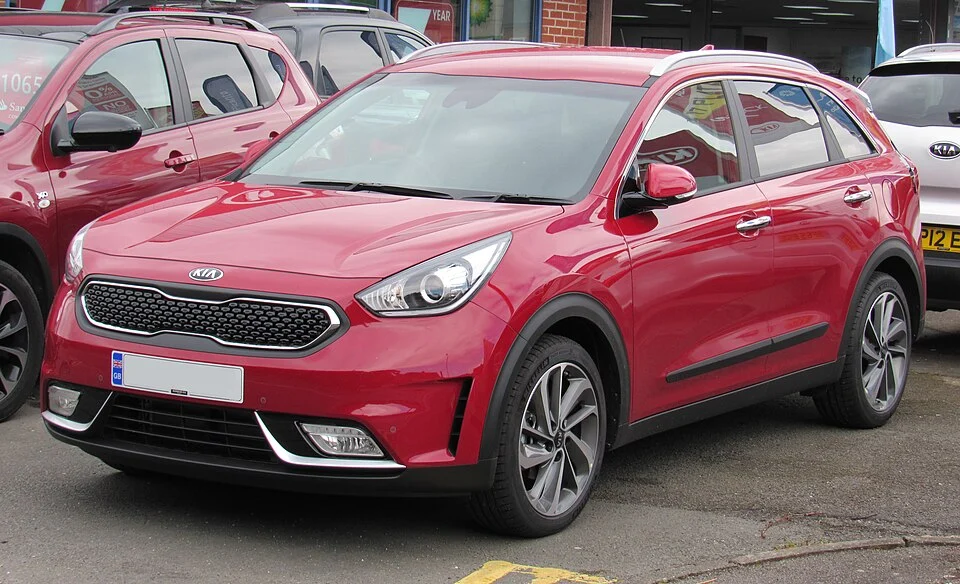
1. Kia Niro Hybrid Engine: 1.6 GDI hybrid Fuel economy: 19–21 km/L Use case: Urban driving, delivery taxis, fuel-efficient commuting
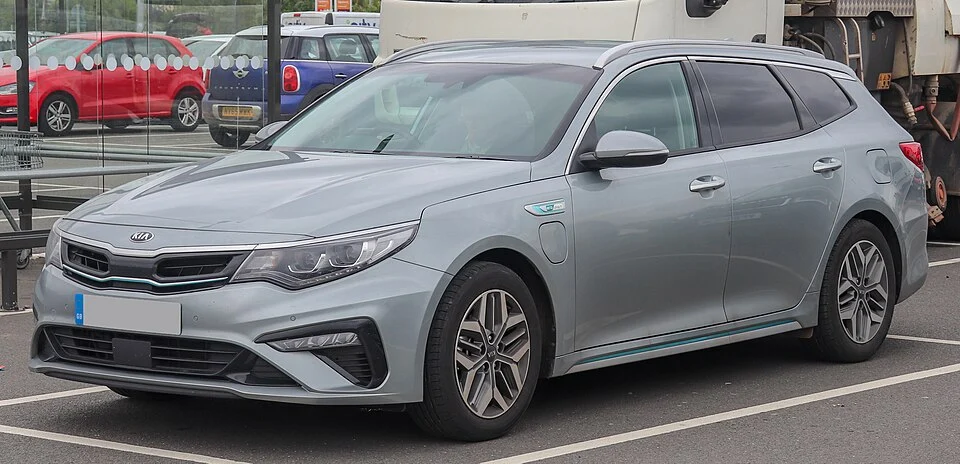
2. Kia K5 (Optima) Hybrid Engine: 2.0 GDI hybrid Fuel economy: 16–18 km/L Stylish design + smooth driving
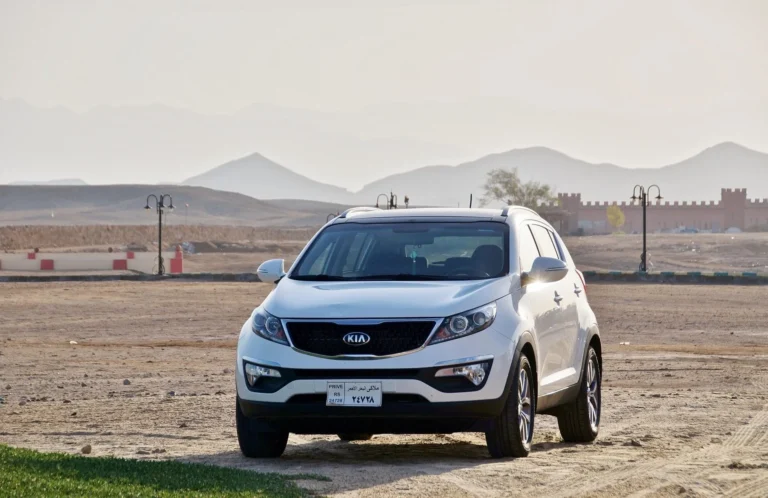
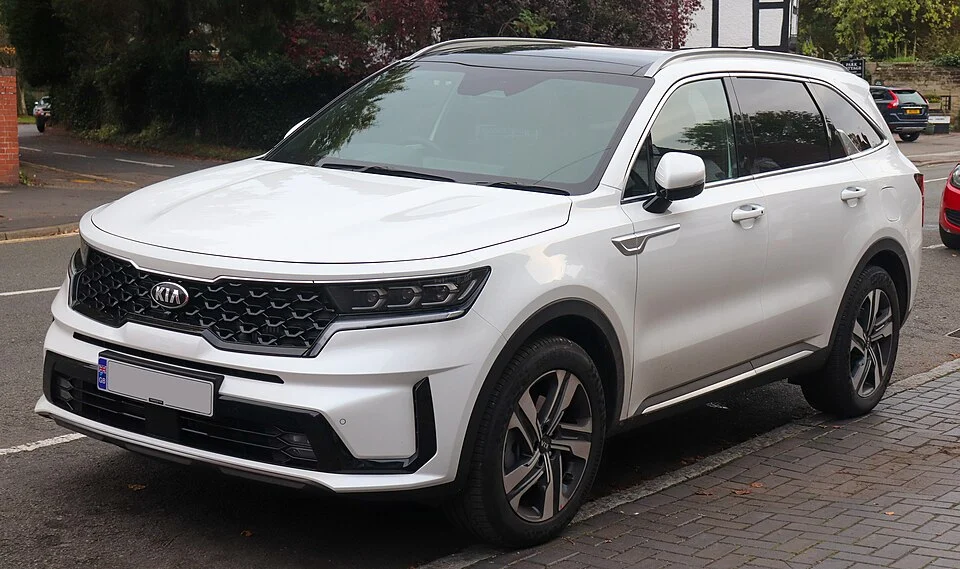
3. Kia Sorento Hybrid Engine: 1.6 Turbo Hybrid Fuel economy: 13–15 km/L Why importers love it: 7-seater, Strong towing capability, High resale value.
Hyundai Korean Hybrid Export Prices
Hyundai Ioniq Hybrid (2017–2022)
| Year | Engine | Battery | Avg Mileage | FOB Export Price (USD) |
|---|---|---|---|---|
| 2017 | 1.6 GDI Hybrid | Li-ion | 120–180k km | $4,500–$5,300 |
| 2018 | 1.6 GDI Hybrid | Li-ion | 100–150k km | $5,000–$5,700 |
| 2019 | 1.6 GDI Hybrid | Li-ion | 80–140k km | $5,500–$6,500 |
| 2020 | 1.6 GDI Hybrid | Li-ion | 60–100k km | $6,700–$7,800 |
| 2021 | 1.6 GDI Hybrid | Li-ion | 40–80k km | $8,000–$9,300 |
| 2022 | 1.6 GDI Hybrid | Li-ion | 20–60k km | $9,500–$11,000 |
Hyundai Sonata Hybrid (2016–2023)
| Year | Model | Avg Mileage | FOB Export Price (USD) |
|---|---|---|---|
| 2016 | LF Hybrid | 150k km | $5,800–$6,800 |
| 2017 | LF Hybrid | 130k km | $6,200–$7,300 |
| 2018 | LF Hybrid | 110k km | $6,900–$7,900 |
| 2019 | LF Hybrid | 90k km | $8,300–$9,300 |
| 2020 | DN8 Hybrid | 70k km | $12,800–$14,800 |
| 2021 | DN8 Hybrid | 50k km | $15,000–$17,200 |
| 2022 | DN8 Hybrid | 30k km | $17,800–$19,800 |
| 2023 | DN8 Hybrid | 10–20k km | $20,500–$23,000 |
Hyundai Tucson Hybrid (2021–2024)
| Year | Engine | Mileage | FOB Export Price (USD) |
|---|---|---|---|
| 2021 | 1.6 Turbo Hybrid | 70k km | $19,500–$21,500 |
| 2022 | 1.6 Turbo Hybrid | 50k km | $22,000–$24,000 |
| 2023 | 1.6 Turbo Hybrid | 30k km | $26,000–$28,000 |
| 2024 | 1.6 Turbo Hybrid | 10–20k km | $29,000–$31,000 |
Kia Hybrid Export Prices
Kia Niro Hybrid (2017–2023)
| Year | Engine | Mileage | FOB Export Price (USD) |
|---|---|---|---|
| 2017 | 1.6 GDI Hybrid | 130k km | $5,500–$6,200 |
| 2018 | 1.6 GDI Hybrid | 120k km | $6,000–$6,600 |
| 2019 | 1.6 GDI Hybrid | 90k km | $6,900–$7,700 |
| 2020 | 1.6 GDI Hybrid | 70k km | $8,000–$9,000 |
| 2021 | 1.6 GDI Hybrid | 50k km | $9,500–$10,800 |
| 2022 | 1.6 GDI Hybrid | 30–40k km | $11,800–$13,000 |
| 2023 | 1.6 GDI Hybrid (New Shape) | 10–20k km | $15,500–$17,500 |
Kia K5 (Optima) Hybrid (2016–2022)
| Year | Engine | Mileage | FOB Export Price (USD) |
|---|---|---|---|
| 2016 | 2.0 Hybrid | 140k km | $5,800–$6,800 |
| 2017 | 2.0 Hybrid | 130k km | $6,200–$7,300 |
| 2018 | 2.0 Hybrid | 110k km | $6,900–$7,900 |
| 2019 | 2.0 Hybrid | 90k km | $8,200–$9,200 |
| 2020 | 2.0 Hybrid | 60–80k km | $11,500–$12,800 |
| 2021 | 2.0 Hybrid | 40–60k km | $14,000–$15,500 |
| 2022 | 2.0 Hybrid | 20–40k km | $16,000–$17,500 |
Kia Sorento Hybrid (2021–2024)
| Year | Engine | Mileage | FOB Export Price (USD) |
|---|---|---|---|
| 2021 | 1.6 Turbo Hybrid | 80k km | $23,000–$25,000 |
| 2022 | 1.6 Turbo Hybrid | 60k km | $26,500–$28,500 |
| 2023 | 1.6 Turbo Hybrid | 30k km | $30,000–$33,000 |
| 2024 | 1.6 Turbo Hybrid | 10–20k km | $34,000–$36,000 |
If you are interested in importing any of the Hyundai or Kia Korean hybrid cars listed above, feel free to contact us via WhatsApp or submit a question through our Q&A section. We will be happy to provide you with a detailed quotation.