Hyundai Robot Dog in Automotive Industry – Future Mobility & Factory Safety
Introduction
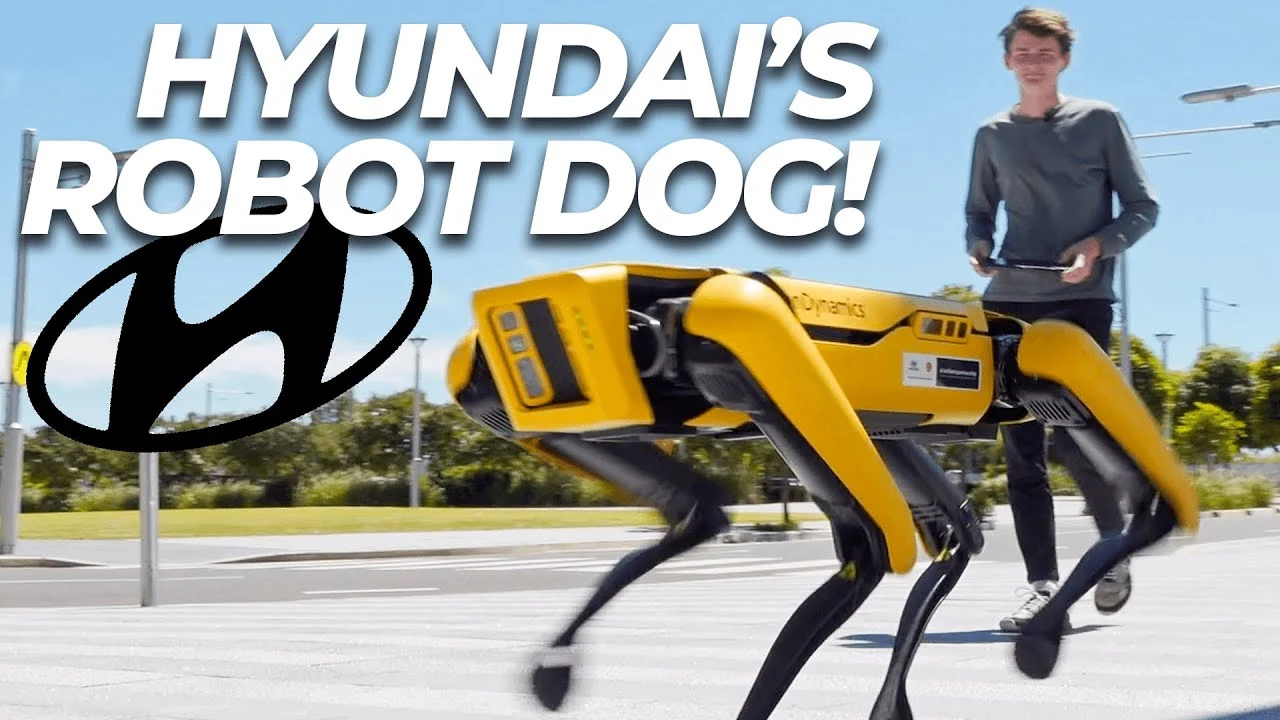
The automotive industry is rapidly transforming, and Hyundai Motor Company is at the forefront of this shift. With its acquisition of Boston Dynamics, Hyundai introduced the Hyundai robot dog “Spot” to automotive factories and mobility projects. But why does a car manufacturer invest in a robot dog? The answer lies in factory safety, efficiency, and future smart mobility ecosystems.
1. Factory Safety and Hazardous Zone Monitoring
Hyundai’s automotive factories handle thousands of moving parts, heavy machinery, and high-temperature zones. The Hyundai robot dog is designed to:
- Inspect hazardous areas (welding zones, high-voltage areas, confined spaces).
- Detect gas leaks or overheating using thermal and LiDAR sensors.
- Prevent accidents by reducing human exposure to dangerous environments.
This aligns with Hyundai’s vision of creating a zero-accident smart factory, where robots take over repetitive and risky tasks.
2. Automotive Production Line Optimization
The car manufacturing process involves constant monitoring of assembly lines. Hyundai robot dog supports production by:
- Walking through assembly areas to capture real-time video and data.
- Checking alignment of vehicle parts and identifying defects.
- Collecting predictive maintenance data for equipment health monitoring.
By integrating robotics with AI analytics, Hyundai reduces downtime and ensures consistent vehicle quality.
3. Smart Mobility and Autonomous Vehicle Synergy
The connection between cars and Hyundai robot dogs may not be obvious at first, but both share common technologies:
- Autonomous navigation algorithms: Similar to self-driving cars.
- Battery and electric motor systems: Shared with EVs.
- AI-based object recognition: Used in both ADAS (Advanced Driver Assistance Systems) and robotics.
Hyundai envisions a future where hyundai robot dogs support autonomous vehicle fleets. For example, a robot dog could inspect parked EVs, check charging stations, or act as a mobile assistant in mobility hubs.
4. Use Cases in Hyundai Robot Dog Automotive Industry
- Vehicle Testing Centers: Spot inspects new car prototypes under extreme conditions.
- Logistics Yards: Robot dogs monitor vehicle storage areas and assist in inventory checks.
- EV Battery Safety: Spot checks for overheating and ensures safe EV production lines.
- Construction of New Plants: Used for surveying and safety inspections.
These applications show that Hyundai is not only building cars but also shaping the future of intelligent manufacturing.
5. Strategic Vision for Robotics in Automotive
Hyundai Motor’s long-term vision is to transform from a traditional carmaker to a smart mobility solutions provider. Robot dogs are part of this strategy:
- Enhancing factory automation.
- Supporting autonomous vehicle ecosystems.
- Creating new B2B robotics services for logistics and automotive partners.
By merging robotics with automotive innovation, Hyundai positions itself as a global leader in next-generation mobility.
Conclusion
Hyundai’s integration of the Boston Dynamics robot dog in the automotive industry is more than a futuristic experiment. It is a practical step toward safer factories, smarter production lines, and innovative mobility services. The synergy between cars and robotics underlines Hyundai’s transformation into a technology-driven mobility company.
📌 Hyundai Robot Dog Automotive Industry – FAQ
Q1. How does the robot dog improve vehicle production quality?
Hyundai’s robot dog inspects assembly lines for defects, misalignments, and surface quality issues. This ensures cars meet strict quality standards before leaving the factory.
Q2. Can the robot dog support EV battery safety in Hyundai factories?
Yes. The robot dog uses thermal cameras to detect overheating or potential fire risks in EV battery production lines, ensuring safer electric vehicle manufacturing.
Q3. How is the robot dog connected to autonomous vehicle technology?
Both cars and robot dogs rely on autonomous navigation, AI object detection, and sensor systems. The same technology that guides self-driving cars powers Hyundai’s robot dog.
Q4. Where in the automotive industry is the robot dog currently used?
Hyundai deploys robot dogs in vehicle testing centers, logistics yards, and EV battery lines, proving their role in enhancing factory safety and operational efficiency.
If you are interested in importing used cars from Korea, please contact us here.